Actuators
Actuators are the "muscles" of the robot. They are the devices that convert a power source (usually electrical) into physical motion, generating the forces and torques that drive the joints.
Electric Actuators

The most common type in modern robotics due to their precision, reliability, and ease of control.
DC Servo Motors:
The workhorse of high-performance robotics. They provide precise, continuous control over position, velocity, and torque.
Stepper Motors:
Move in discrete angular steps, which allows for simple open-loop control without requiring a feedback sensor. They are generally used in lower-cost, lower-performance applications.
Direct-Drive Motors:
High-torque motors that connect directly to the joint without a gearbox. This eliminates backlash and friction from gearing, leading to very high accuracy and speed.
Hydraulic Actuators
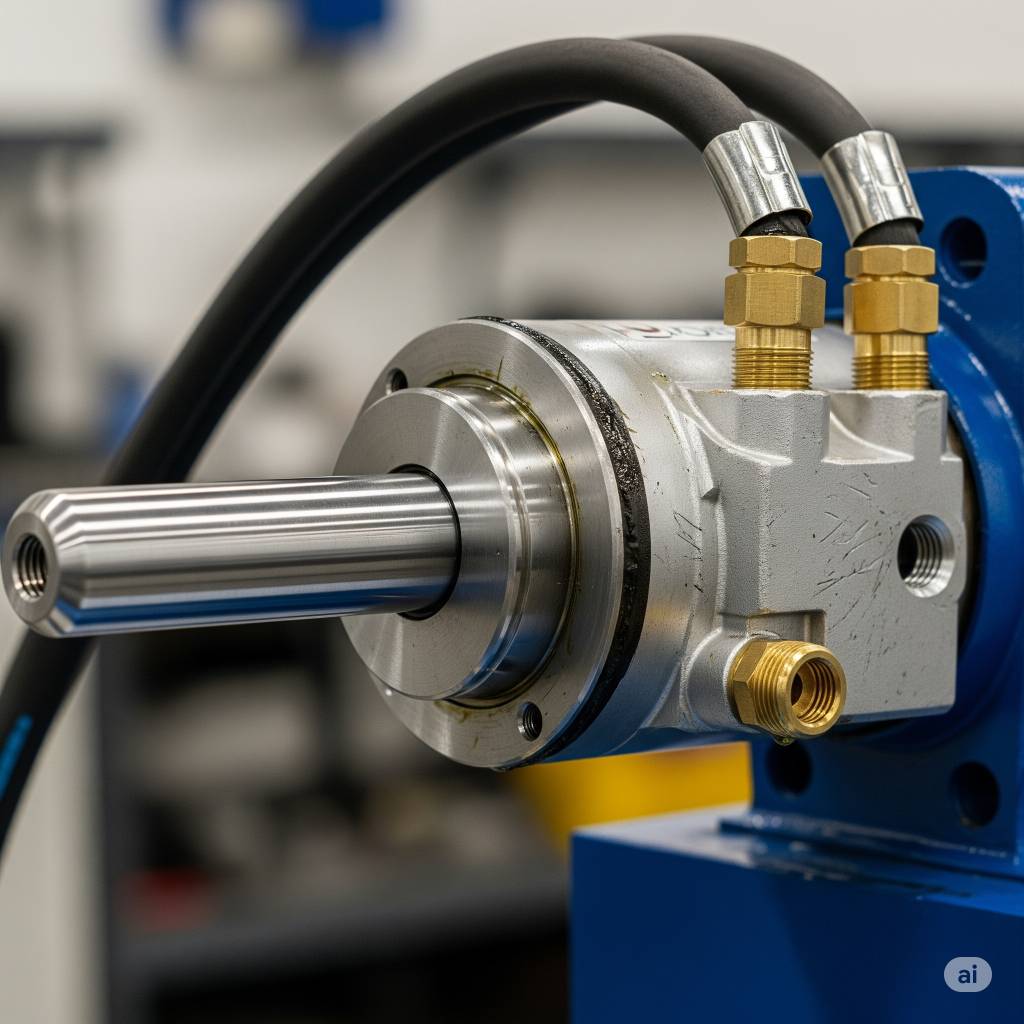
Use pressurized fluid (oil) to generate immense force, making them ideal for very large robots requiring high payload capacity.
Pneumatic Actuators
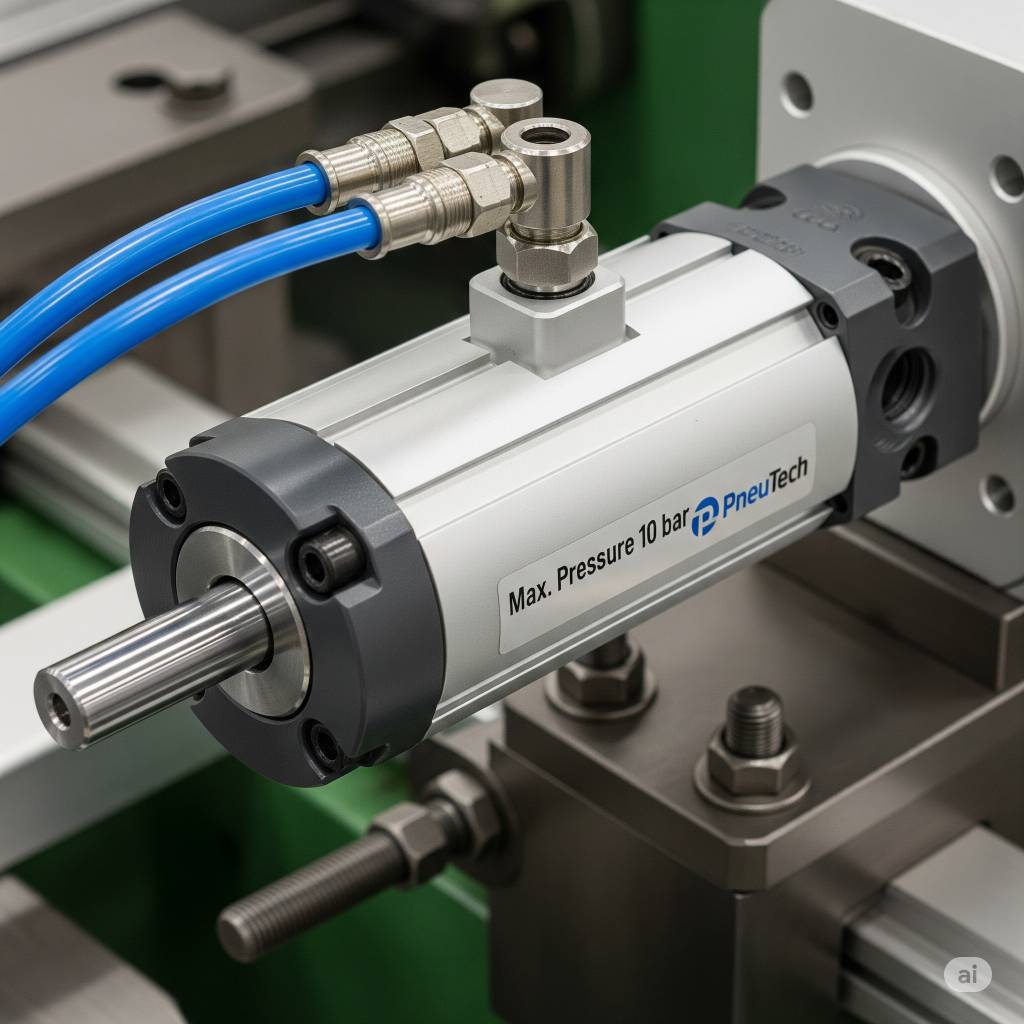
Use compressed air to generate motion. They are inexpensive and fast, making them suitable for simple, rapid pick-and-place tasks.